

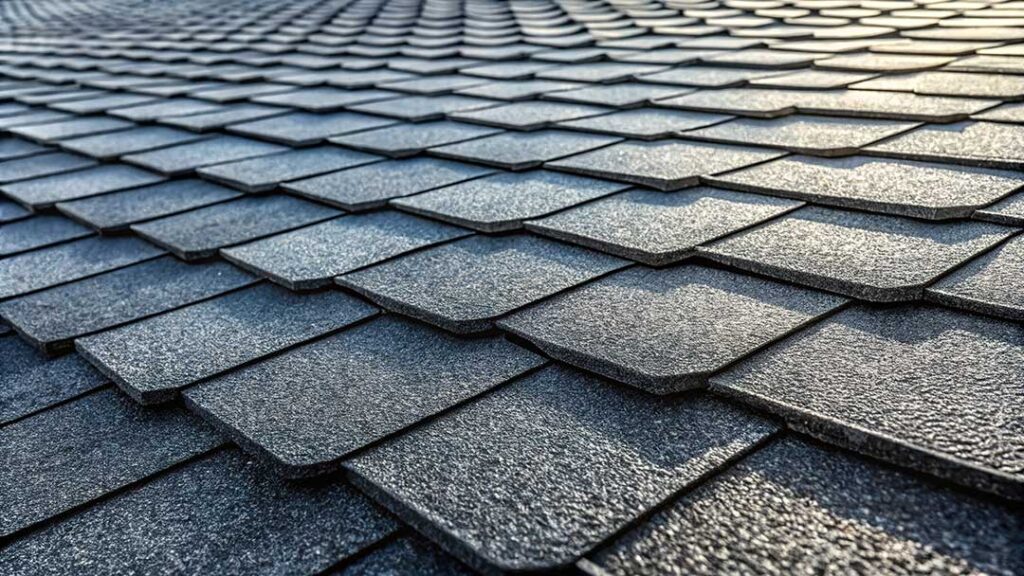
Asphalt shingles remain one of the most common roofing materials for homes in Dexter, MI. They are relatively affordable, available in many styles, and well suited to many residential roof designs. They also have limitations, particularly when exposed to repeated freeze-thaw cycles, ice, heavy wind, or poor attic ventilation.
Understanding both the strengths and weaknesses of asphalt shingles can help homeowners evaluate roof age, repair needs, replacement timing, and long-term value.
What are asphalt shingles?
Asphalt shingles are layered roofing products made from a fiberglass or organic mat coated with asphalt and covered with mineral granules. The granules provide color and help protect the shingle from sunlight and weather.
Most homes use one of two main styles:
- Three-tab shingles: Flat, uniform shingles with a repeating appearance. They are generally lighter and have a shorter expected service life.
- Architectural shingles: Heavier, dimensional shingles with a layered appearance. They usually provide better visual depth, wind resistance, and durability than basic three-tab products.
A complete asphalt shingle roof includes more than the visible shingles. Underlayment, flashing, starter strips, ridge caps, ventilation, and the roof deck all affect performance. A high-quality shingle cannot compensate for deteriorated decking, missing flashing, or inadequate ventilation.
What are the main advantages of asphalt shingles?
The biggest benefits are affordability, design flexibility, and ease of installation. Asphalt shingles can work well for many detached homes, additions, garages, and other residential structures.
Lower initial cost
Asphalt shingles usually cost less to install than many premium roofing materials. Their widespread use, standardized installation methods, and broad availability help keep material and labor costs comparatively manageable.
Lower upfront cost does not automatically mean lower lifetime cost, however. A less expensive roof may need replacement sooner, especially if it is exposed to difficult conditions or installed over an aging roof deck.
Many colors and appearances
Homeowners can choose from a wide range of colors, patterns, and dimensional profiles. Architectural shingles can imitate the appearance of wood shakes or slate without the same weight or expense.
Color selection also has practical considerations. Dark shingles may absorb more solar heat during summer, while lighter colors can reflect somewhat more sunlight. The effect on total household energy use depends on attic insulation, ventilation, roof pitch, and the home’s overall design.
Compatible with many roof shapes
Asphalt shingles can be installed on many common residential roof designs. They are suitable for simple gable roofs as well as more complex roofs with valleys, dormers, and intersecting slopes.
Complex roof layouts require careful flashing and water-shedding details. Valleys and roof penetrations are common trouble spots, regardless of the shingle material.
Repairs are usually straightforward
Individual damaged shingles can often be replaced without removing the entire roof. This can be useful after wind damage, falling branches, or localized wear.
A repair may not blend perfectly with older shingles because the existing roof has faded over time. Matching color and texture becomes more difficult as a roof ages.
Reasonable performance in a four-season climate
The local climate brings cold winters, summer heat, rain, snow, and repeated shifts around the freezing point. Asphalt shingles can perform adequately in these conditions when the roof has proper underlayment, flashing, ventilation, and installation details.
What are the disadvantages of asphalt shingles?
The primary drawbacks are limited service life compared with some premium materials, sensitivity to weather exposure, and the possibility of premature failure from installation or ventilation problems.
They do not last indefinitely
Many asphalt shingle roofs provide roughly 15 to 30 years of service, although actual life varies widely. Basic shingles may wear out sooner, while heavier architectural products may last longer under favorable conditions.
Age alone does not determine roof condition. A roof that is 12 years old may be in poor shape if it has experienced severe weather or poor ventilation. A roof of the same age may remain serviceable if it was properly installed and maintained.
Common signs of aging include:
- Cracked, curled, or brittle shingles
- Missing or loose shingles
- Excessive granules in gutters or downspout outlets
- Dark streaks, moss, or algae growth
- Exposed nail heads or deteriorated flashing
- Sagging areas or water stains inside the home
Freeze-thaw cycles can expose weaknesses
Moisture can enter small cracks or vulnerable roof details. When temperatures drop below freezing, that moisture expands. Repeated cycles can loosen granules, split materials, and worsen existing damage.
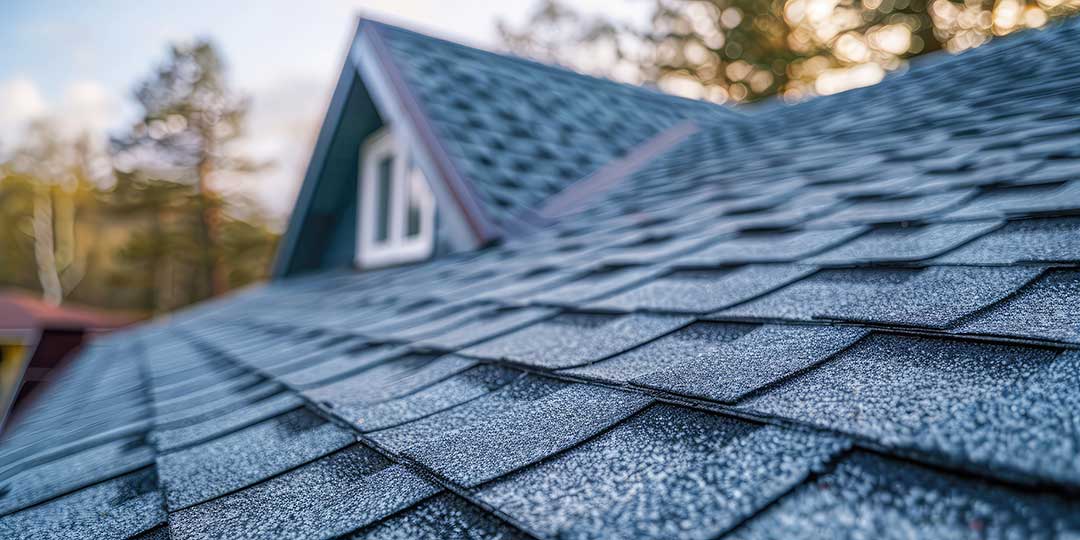
Snow itself is not always the main concern. Problems often develop where melting snow refreezes near eaves, valleys, gutters, or areas with uneven roof temperatures. Ice buildup can force water beneath shingles if protective underlayment and drainage details are inadequate.
Strong wind and hail can cause localized damage
Asphalt shingles may lift, crease, crack, or lose granules during severe wind and hail events. Damage is not always obvious from the ground. A shingle may remain in place while its sealing strip has failed or its surface has been bruised.
Trees near a home can add another risk. Falling limbs, rubbing branches, and accumulated leaves may shorten roof life or block drainage.
They depend heavily on attic ventilation
Poor ventilation can trap heat and moisture beneath the roof. Excess heat may accelerate shingle aging, while moisture can contribute to condensation, damp insulation, mold growth, and wood deterioration.
Ventilation works together with insulation and air sealing. Adding a roof vent without addressing blocked soffits or air leakage may not solve the underlying problem.
Roof replacement creates material waste
Most asphalt shingles are removed and discarded during replacement. Some old roofing materials can be recycled, but disposal practices vary. This gives asphalt shingles a larger environmental footprint than materials that remain in service for much longer or are more easily reused.
Are asphalt shingles a good choice for homes in Dexter?
They can be, especially for homeowners seeking a widely available material with moderate upfront cost and flexible appearance. The local four-season pattern means the roof should be evaluated for winter moisture, ice formation, wind exposure, summer heat, and ventilation—not just visible shingle condition.
Roof pitch also matters. Steeper roofs generally shed water and snow more effectively than low-slope roofs. Low-slope sections may require different roofing materials or installation methods rather than standard shingles alone.
Homes surrounded by mature trees may need more frequent inspection and gutter clearing. Properties with heavy shade may also experience slower drying and more moss or algae growth.
What should homeowners compare before choosing shingles?
The lowest quoted material price does not provide a complete comparison. Useful factors include:
- Shingle type and expected service life
- Wind and impact ratings
- Underlayment and ice-barrier details
- Flashing around chimneys, skylights, walls, and vents
- Roof ventilation and attic insulation
- Whether the existing roof deck is sound
- Number of existing roofing layers
- Warranty terms and exclusions
- Disposal requirements for old materials
A roof inspection is especially important when shingles are near the end of their expected life, when interior water stains appear, or after a significant wind or hail event. Walking on a roof can damage shingles and create a fall hazard, so roof access should be treated cautiously.
The practical question is not simply whether asphalt shingles are “good” or “bad.” They are a cost-conscious, adaptable roofing option, but their performance depends on product quality, installation details, ventilation, roof design, weather exposure, and ongoing maintenance.