

Roof problems do not always begin with an obvious leak. In Dexter, MI, seasonal temperature swings, freeze-thaw cycles, wind, snow, ice, and summer heat can gradually weaken roofing materials. Some warning signs are visible from the ground, while others appear in the attic or on ceilings.
A roof usually needs replacement when its age, condition, and pattern of damage show that repairs are becoming temporary rather than corrective. A single missing shingle does not automatically mean the entire roof must be replaced, but widespread deterioration deserves closer attention.
How old is the roof?
Age is one of the clearest indicators of remaining roof life. Many common asphalt shingle roofs last roughly 15 to 30 years, although installation quality, ventilation, weather exposure, material type, and maintenance can change that range.
Homeowners who do not know the installation date can look for:
- Past closing documents or property records
- Receipts or permits connected with earlier work
- Labels or dates on leftover roofing materials
- Signs that neighboring homes with similar construction have already needed replacement
Age alone does not prove that a roof has failed. A well-maintained roof may perform acceptably near the upper end of its expected life, while a poorly ventilated or storm-damaged roof may deteriorate much sooner. Age becomes more significant when combined with curling shingles, granule loss, leaks, or sagging.
What do damaged shingles look like?
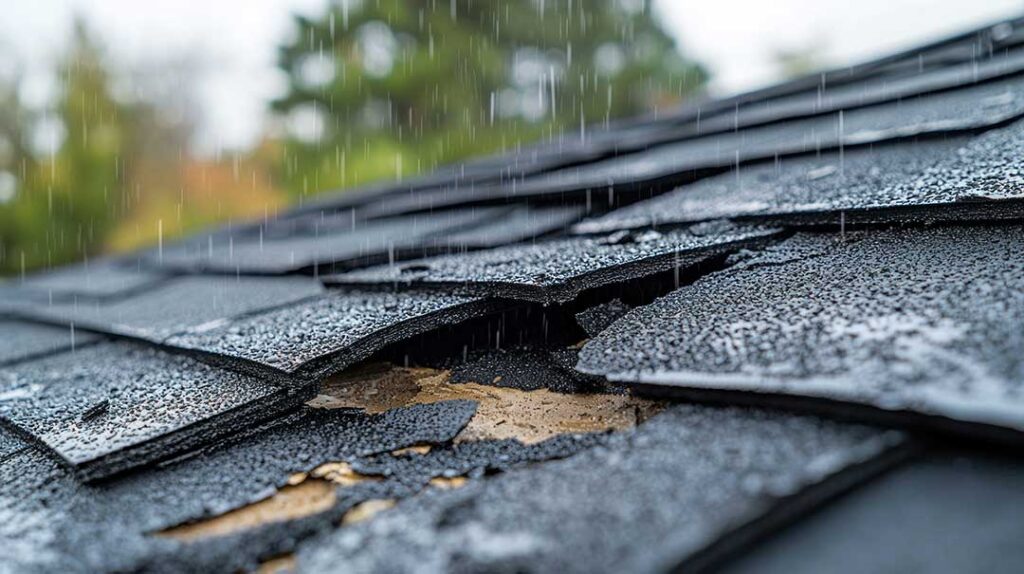
Shingles that are cracked, curled, buckled, blistered, or missing may indicate that the roof is losing its ability to shed water. A few damaged shingles may be repairable, but widespread damage often points to an aging roof system.
Look for these patterns from a safe location:
- Shingles with corners or edges curling upward
- Cracks running through multiple shingles
- Areas that appear wavy or uneven
- Missing shingles or exposed underlayment
- Dark patches where shingles have worn differently
- Loose or damaged flashing around roof penetrations
Buckling can result from moisture beneath the shingles, poor installation, inadequate ventilation, or movement in the roof deck. It should not be dismissed as a cosmetic issue because uneven areas can allow water to collect or travel beneath the roofing surface.
Why are there granules in the gutters?
Asphalt shingles contain protective mineral granules. Some loose granules after a new installation are normal, but a noticeable buildup in gutters or downspout outlets can signal advanced wear.
Granule loss leaves the shingle surface less protected from ultraviolet light, heat, rain, and ice. The roof may appear intact from the ground while becoming increasingly brittle.
Granules can also wash into drainage systems after severe weather, so a single storm-related occurrence is not enough to confirm that the roof needs replacement. Repeated buildup, widespread bald spots, and other signs of aging are more meaningful when considered together.
Are there leaks or water stains inside the house?
Water stains on ceilings or walls indicate that moisture has entered the building, but the visible stain may not be directly below the roof defect. Water can travel along rafters, decking, insulation, and framing before appearing indoors.
Common warning signs include:
- Brown or yellow ceiling stains
- Peeling paint or bubbling drywall
- Damp insulation in the attic
- Musty odors near upper-floor ceilings
- Drips during rain or snowmelt
- Moisture around chimneys, vents, skylights, or roof-wall intersections
A leak does not always require total replacement. It may result from damaged flashing, a blocked drainage path, or one localized opening. Replacement becomes more likely when leaks occur in several areas, return after repairs, or accompany widespread shingle deterioration.
Does the roof deck sag?
A sagging roofline is a serious warning sign. It may indicate damaged roof decking, weakened framing, long-term moisture intrusion, excessive structural load, or a combination of these problems.
From the ground, a roof should generally appear straight along its ridges and slopes. Visible dips, waves, or a ridge that looks uneven deserve prompt evaluation. Sagging is not simply an appearance problem because structural weakness can worsen under snow, ice, and repeated moisture exposure.
If interior ceilings are bowing, attic framing appears damaged, or the roofline changes noticeably, avoid walking on the roof. Roof surfaces can be unstable even when the damage is not obvious.
Has the roof experienced repeated storm damage?
Wind, hail, falling branches, and ice can damage roofing in ways that are difficult to see immediately. Missing shingles are easy to recognize, but lifted edges, fractured seals, bruised surfaces, and damaged flashing may be less apparent.
Repeated storms can shorten the useful life of an otherwise average-age roof. Evidence may include repairs in several locations, shingles with inconsistent colors from patching, or continuing leaks after wind events.
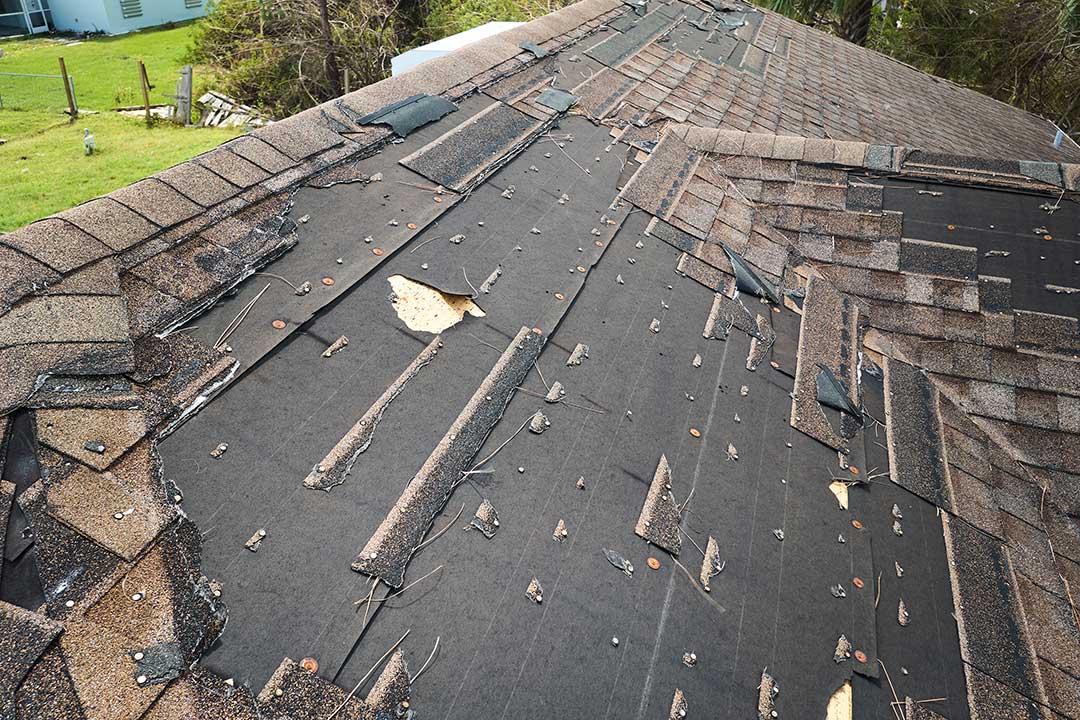
A roof that has suffered widespread storm damage may be less dependable even if most shingles remain in place. The key question is whether the roof can still provide consistent protection without frequent repairs.
Are repairs becoming more frequent?
Frequent repairs are often a practical sign that replacement should be considered. One isolated repair may be reasonable, but recurring problems can indicate that the roof system is aging as a whole.
Replacement deserves closer consideration when:
- Leaks appear in different parts of the roof
- Shingles need repeated patching
- Flashing and sealants keep failing
- Repairs are addressing symptoms rather than the underlying condition
- More roof areas require attention each season
A repair may extend service life, but it cannot restore worn-out shingles, deteriorated underlayment, or damaged decking across the entire roof.
Can the roof be inspected safely?
Roof inspection from the ground can identify many warning signs, but climbing onto a roof adds fall risk and may cause additional damage to brittle shingles. Snow, frost, moss, steep slopes, wet surfaces, and hidden structural weakness make roof access especially hazardous.
A safer approach is to observe from the yard, upper windows, or attic access area. Binoculars can help identify missing shingles, exposed fasteners, damaged flashing, and uneven rooflines without requiring anyone to walk on the surface.
Inspection by a qualified professional may be necessary when the roof is steep, visibly unstable, difficult to access, or showing signs of structural damage. Safety and building-code considerations take priority over confirming a minor cosmetic concern.
Does moss or algae mean the roof must be replaced?
Moss and algae do not automatically mean a roof needs replacement. Shaded, damp areas can support organic growth, particularly where leaves and debris remain on the roof.
Moss becomes more concerning when it lifts shingles, traps moisture, blocks drainage, or appears across large areas of an older roof. Aggressive scraping or pressure washing can remove protective granules and shorten roof life, so cleaning methods matter.
The condition beneath the growth is more important than the presence of discoloration alone. A roof with limited surface growth may still have substantial service life, while an older roof with moss, curling, and granule loss may be nearing replacement.
When is replacement more practical than another repair?
Roof replacement is generally more practical when the roof is near the end of its expected life and has several types of damage at once. Age, widespread shingle deterioration, recurring leaks, sagging, and damaged decking together provide stronger evidence than any single symptom.
A useful assessment considers:
- The roof’s approximate age
- The number and distribution of damaged areas
- Whether leaks are isolated or recurring
- The condition of flashing, ventilation, and decking
- Whether another repair is likely to solve the problem for more than a short time
For households in Dexter, seasonal weather makes it worthwhile to check roof surfaces, attic spaces, gutters, and ceilings after major wind, heavy snow, ice, or prolonged rain. Early observation cannot prevent every failure, but it can reveal whether a roof is experiencing an isolated issue or entering the final stage of its service life.