

Roof leaks rarely begin as dramatic streams of water. More often, they start with a small stain, a damp smell, or a single shingle that has shifted out of place. Finding the source early can limit damage to insulation, drywall, framing, flooring, and household belongings.
In Dexter, MI, roofs face repeated freeze-thaw cycles, snow, wind, rain, ice, and falling branches. Those conditions can expose weak points gradually, especially on older homes or roofs with several layers of past repairs.
What are the most common causes of roof leaks?
The most common causes are damaged roofing materials, failed flashing, clogged drainage, and openings around roof penetrations. A leak may also come from condensation or wind-driven rain rather than a missing shingle.
Typical sources include:
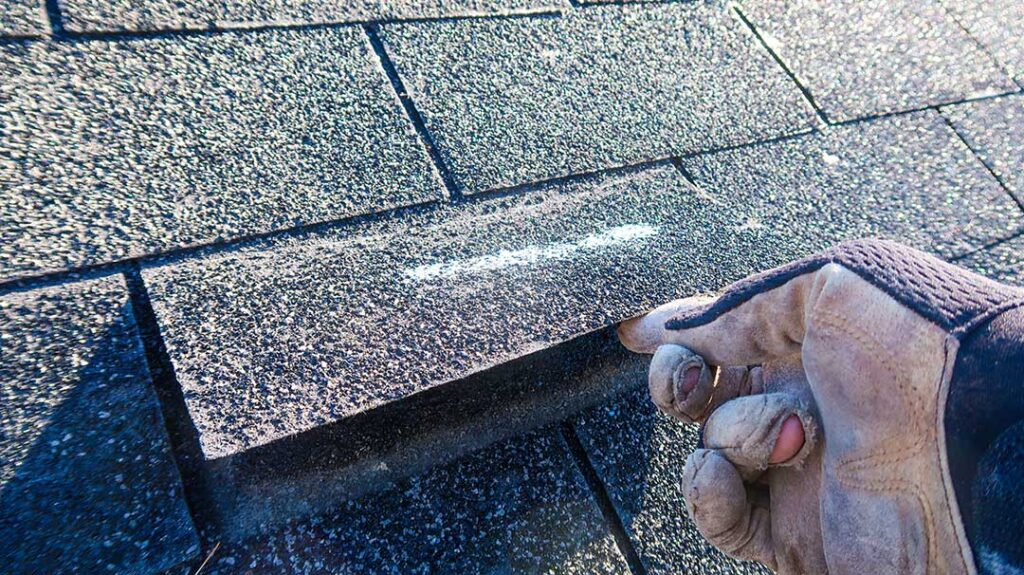
- Cracked, curled, loose, or missing shingles
- Damaged metal flashing around chimneys, walls, and roof edges
- Aging pipe boots around plumbing vents
- Blocked gutters or downspouts
- Exposed or deteriorated roofing fasteners
- Ice dams along eaves
- Poorly sealed skylights, vents, or other roof penetrations
- Wind damage from storms or falling limbs
- Condensation in poorly ventilated attic spaces
Water does not always appear directly below the defect. It can travel along roof decking, rafters, insulation, or drywall before becoming visible inside the home.
How can a homeowner spot a roof leak indoors?
The first signs are often found on ceilings, upper walls, and in attic spaces. A new mark should be investigated even if the area feels dry, because water stains may remain after the original leak has stopped.
Look for:
- Brown, yellow, or gray ceiling stains
- Fresh paint bubbling, peeling, or cracking
- Damp drywall near exterior walls
- Musty odors in upper rooms or closets
- Wet insulation or darkened roof decking
- Drips around light fixtures, ceiling fans, or attic hatches
- Mold-like spotting in areas with repeated moisture
- Dampness that appears only during heavy rain or melting snow
A ceiling stain can become more visible several hours after rainfall. A leak that occurs during snowmelt may not appear during an ordinary rainstorm, particularly if ice or compacted snow is blocking the normal drainage path.
Water near a light fixture or electrical wiring deserves extra caution. Avoid touching wet electrical components, and turn off power to the affected area only if doing so is safe.
Which roof problems can be seen from the ground?
Several warning signs are visible without climbing onto the roof. Binoculars can help with inspection while keeping both feet on the ground.
From outside, check for:
- Shingles that are missing, lifted, cracked, or noticeably darker
- Bare areas where the protective granules have worn away
- Shingle pieces in the yard or at the base of downspouts
- Sagging sections along the roofline
- Rusted or separated flashing
- Exposed nails or fasteners
- Debris collecting in valleys
- Gutters pulling away from the fascia
- Moss or organic growth holding moisture against roofing materials
A roof valley, where two sloped sections meet, deserves special attention. Valleys carry a large amount of runoff and can leak if shingles, underlayment, or flashing become damaged. Leaves and small branches can also trap moisture in these areas.
Why do flashing and roof penetrations cause so many leaks?
Flashing directs water around openings and transitions. It is commonly installed around chimneys, walls, skylights, dormers, vents, and roof edges. If flashing bends, corrodes, separates, or loses its seal, water can enter even when the shingles nearby look intact.
Roof penetrations are another frequent source of trouble. Plumbing vent pipes, exhaust vents, satellite mounts, and similar openings interrupt the continuous roofing surface. The rubber or flexible seals around these features can crack with age and temperature changes.

A useful clue is location. If an interior stain appears near a chimney, bathroom, kitchen vent, attic vent, or upper-level wall, the nearby flashing or penetration may be involved. The visible stain may still be several feet away from the actual entry point.
Can gutters and ice dams cause roof leaks?
Yes. Gutters do not usually create a roof defect by themselves, but blocked or poorly draining systems can direct water into places where it does not belong.
Leaves, twigs, ice, and compacted debris can prevent water from reaching downspouts. Overflow may wet fascia boards, siding, soffits, and wall cavities. In winter, melting snow can refreeze at the eaves and form an ice dam. Water may then back up beneath shingles and enter the roof assembly.
Signs of drainage-related leakage include:
- Water stains near exterior walls
- Overflow marks below the roof edge
- Icicles combined with interior dampness
- Sagging or detached gutters
- Wet soffits or peeling paint beneath the eaves
Large icicles are not automatically proof of a leak, but they can indicate uneven roof temperatures, blocked drainage, or inadequate attic insulation and ventilation.
How does wind damage lead to leaks?
Strong wind can lift shingle edges, loosen fasteners, expose underlayment, or remove individual shingles. Damage may be subtle and difficult to see from the ground. A roof may look mostly normal while one lifted section allows water beneath the surface.
After a windy storm, inspect the yard for shingle fragments and look for uneven lines on the roof. Pay attention to roof edges, ridges, corners, and areas near large trees. Falling branches can cause obvious punctures, but smaller limbs may scrape away protective granules or loosen roofing materials over time.
A leak that begins after a storm but appears only during wind-driven rain may point to a small opening or failed seal rather than widespread roof damage.
Could a roof leak actually be condensation?
Sometimes moisture inside an attic is mistaken for a roof leak. Warm, humid air from the living space can move into a cold attic through gaps around light fixtures, exhaust fans, attic hatches, and wiring penetrations. When that air contacts cold surfaces, it can condense as water.
Condensation is more likely when:
- Attic ventilation is limited or obstructed
- Bathroom or kitchen exhaust vents terminate in the attic
- Insulation is uneven or missing
- Frost appears on roof decking during cold weather
- Moisture is spread across a broad area rather than concentrated near one roof defect
A true roof leak usually becomes worse after precipitation. Condensation may appear during extended cold periods even without rain or snow. Both conditions can damage wood and insulation, so the pattern and timing of the moisture matter.
What should be done after finding a leak?
First, protect people and belongings. Place a container under active dripping, move furniture, and carefully document the affected areas. Do not climb onto a wet, icy, steep, or damaged roof.
If water is near electrical equipment, avoid the area and use the electrical shutoff only when it can be done without exposure to water. A sagging ceiling can indicate a significant amount of trapped water; staying clear of the area reduces the risk of falling material.
For a minor, accessible issue, temporary protection may be possible with a properly placed tarp, but roof surfaces can be slippery and unstable. Active leaks, structural sagging, extensive storm damage, suspected mold, or repeated moisture should be evaluated by a qualified roofing or building professional. The source needs to be corrected, not just the interior stain covered.
Keeping notes about when the leak appears—during rain, snowmelt, wind, or freezing temperatures—can help identify the cause. In many cases, that timing is as useful as the stain itself.